
There was something special about West Virginia University athletics in the early 2000s.
Whether you played basketball, football, soccer, or any other sport, there was a sense of family that stretched across every locker room and every practice facility. Mountaineers pushed each other, supported one another, and proudly represented the Flying WV.
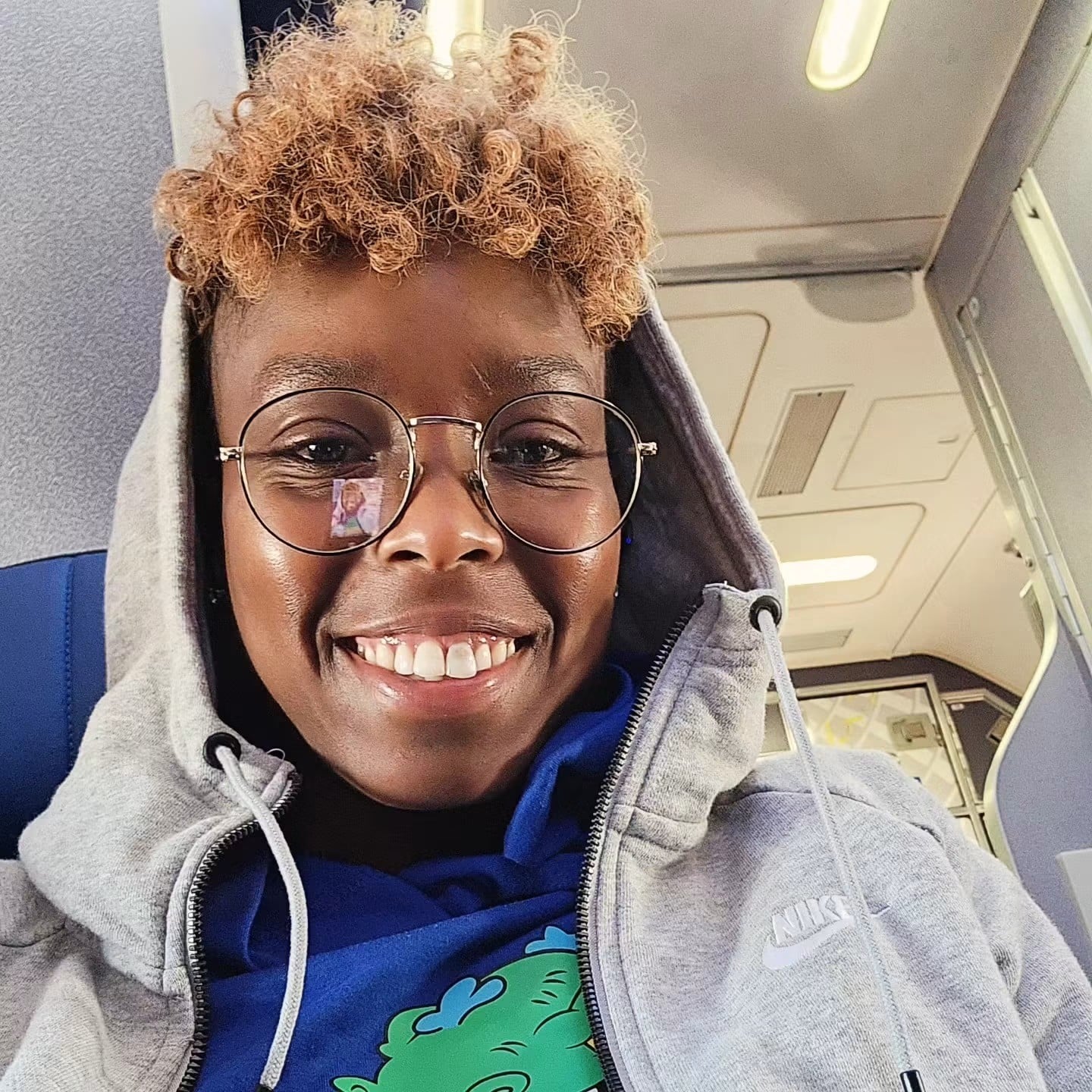
Sherell Sowho was part of that tradition. As a standout on the WVU women’s basketball team, Sowho competed during an era when the program was building its identity in the Big East. Her hard work, leadership, and commitment helped lay the foundation for the generations of Mountaineers who followed.
Although our paths crossed during the same time on campus, it’s always great to reconnect years later and reflect on what it meant to wear that WVU jersey.
The beauty of the WVU Brotherhood isn’t about one sport or one gender. It’s about the lifelong bond shared by everyone who proudly represented West Virginia University. Today, Sherell Sowho looks back on her journey, the lessons she learned, and the memories that still make her proud to call herself a Mountaineer.
Q: Looking back, what do you remember most about your journey to West Virginia University, and why was WVU the right fit for you?
A: What I remember most about attending WVU was the overwhelming feeling of being at home. From the moment I stepped on campus, I felt like I had become part of a huge family. During my visit, I was fortunate enough to watch Marc Bulger and Michael Vick play against each other, and the excitement and energy of that experience made a lasting impression on me. By halftime, I knew without a doubt that I wanted to be a Mountaineer.
Q: What did it mean to represent WVU during the Big East era, when the conference featured some of the nation’s best teams and players?
A: Playing women’s basketball at WVU during the Big East era was an incredible experience. I had the opportunity to compete against some of the best talent in the country on the biggest stage, and I was proud to be a part of it. It was an honor to guard legendary players like Diana Taurasi and Cappie Pondexter, competing against athletes who would go on to leave a lasting mark on the game. Those experiences challenged me, shaped me as a player, and remain some of my most cherished memories as a Mountaineer.
Q: Every athlete has one game they’ll never forget. Which game stands out the most in your WVU career, and why?
A: The most memorable game of my career was against No. 13 Virginia Tech. We were unranked and playing at home, and with just 2:30 remaining in the game, we were down by 13 points. Most people would have thought the game was over, but our team never gave up. We fought back, completed an incredible comeback, and won. That victory earned us a spot in the NCAA Tournament, making it one of the defining moments of my time at WVU. Even today, I still get emotional thinking about how we came together as a team, believed in one another, and accomplished something truly unforgettable.
Q: What made that early-2000s Mountaineer athletic community so unique? Did athletes from different sports build relationships and support one another?
A: Playing at WVU during the 2000s was an incredible experience. There was an unspoken camaraderie among the student-athletes that made our time there truly special. We celebrated each other’s successes, lifted one another up during difficult times, and always had each other’s backs. That sense of unity and support created a family atmosphere unlike anything I’ve experienced since. Looking back, those relationships and the bond we shared remain one of the most beautiful and meaningful highlights of my time as a Mountaineer.
Q: Who were the coaches, teammates, or mentors that had the biggest impact on your career and your life away from basketball?
A: Coach Garrett Ford was instrumental in my journey at WVU. While he certainly helped me grow as a basketball player, his greatest impact was as a mentor in life. He believed in me, challenged me, and helped shape the person I became both on and off the court. Without his guidance, I don’t believe I would have achieved the success I did. I will always be grateful to have known him and to have experienced his wisdom, kindness, and unwavering support. Rest in peace, Coach. Your legacy continues to live on through the lives you touched.
Q: Women’s basketball has grown tremendously over the last two decades. When you watch today’s game, what makes you smile, and what has changed the most since your playing days?
A: What makes me smile most about today’s game is the incredible exposure women’s basketball is finally receiving. It reminds me that all the blood, sweat, and tears my generation poured into the game helped pave the way for where it is today. Seeing the sport grow and get the recognition it deserves is truly rewarding. One of the biggest changes I’ve noticed is the size of the players. When I played, 5’8″ was about the average height for a guard. Now it seems like the average guard is 6’0″ or taller! These women are huge! I can’t help but laugh and wonder… what are they eating?
Q: As a former student-athlete, what’s your perspective on NIL, the transfer portal, and how different the college experience is for today’s players?
A: I love that today’s student-athletes have the opportunity to build wealth through NIL. They deserve the chance to benefit from their talent and hard work, and it’s exciting to see women’s basketball continue to grow because of it. That said, one aspect of today’s game I struggle with is how easily players can transfer between schools. In my opinion, constantly changing programs can take away opportunities to grow through adversity, develop resilience, and build lasting relationships with teammates and coaches. Some of the greatest lessons I learned came from working through challenges rather than walking away from them. Those experiences helped shape not only the player I became, but the person I am today.
Q: If you could sit down with your freshman-year self at WVU, what advice would you give that young Sherell Sowho?
A: If I could give my freshman-year self one piece of advice, it would be this: stay focused, trust your instincts, and never lose your competitive edge. Be confident, even when you make mistakes. Every setback is an opportunity to learn, grow, and come back stronger. Believe in yourself, keep working hard, and never let a single moment define who you are as a player or as a person.
Q: What does being a Mountaineer still mean to you today, years after your playing career ended?
A: Being a Mountaineer means something different to me today than it did when I wore the jersey, but it’s just as meaningful. Years after my playing career ended, I still carry the values that WVU instilled in me—hard work, resilience, loyalty, and pride. Being a Mountaineer isn’t something you stop being after graduation or after your final game. It’s a lifelong family. When I look back, I don’t just remember the wins or the statistics. I remember the relationships, the lessons, and the people who helped shape me into the person I am today. I’m proud to have represented West Virginia University, and I’ll always be grateful to be part of a community that continues to support and inspire one another. Once a Mountaineer, always a Mountaineer.
Q: Finally, what message would you like to leave for young girls in West Virginia and beyond who dream of playing college basketball one day?
A: My message to every young girl who dreams of playing college basketball is simple: never let anyone else define your potential. Believe in yourself before anyone else does, and don’t be afraid to outwork everyone in the gym. Talent may open doors, but discipline, resilience, and consistency are what keep them open. Embrace adversity instead of running from it. Some of the toughest moments in my career became the greatest lessons of my life. Stay coachable, be a great teammate, and remember that the name on the front of the jersey will always be more important than the name on the back. Most importantly, enjoy the journey. The wins, the losses, the early morning workouts, the lifelong friendships, and the memories you create will stay with you long after your final game. Play with passion, compete with heart, and leave the game better than you found it.