
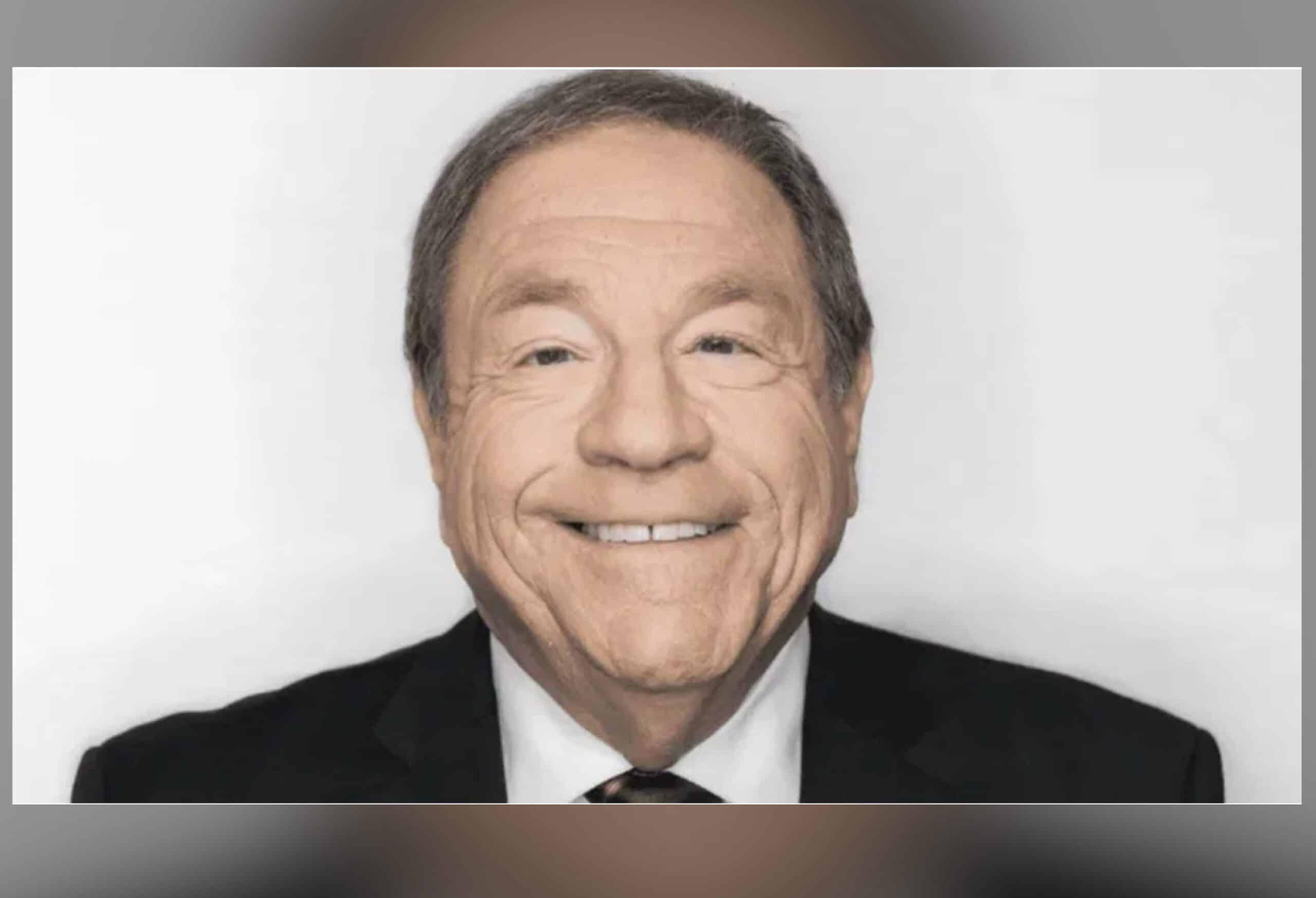
When I think about the greatest sports media personalities in Pittsburgh history, certain names immediately come to mind.
Myron Cope. Bill Hillgrove. Bob Pompeani. And Stan Savran. These were the voices that generations of Pittsburgh sports fans grew up watching and listening to.
But Stan Savran holds a special place in my heart.
Not simply because he was a legendary broadcaster who spent decades covering Pittsburgh sports. But because of the role he played in my life during two completely different chapters of my basketball career.
The first came during one of the greatest moments of my high school career at Penn Hills. The second came during one of the most difficult periods of my life at West Virginia University.
And what Stan did for me during that second chapter is something I’ve never forgotten. He was the only media personality who gave me a platform to publicly tell my side of the story surrounding my situation at WVU.
To understand why that meant so much, you have to understand who Stan Savran was to a young athlete growing up in Western Pennsylvania.
Growing Up Watching Stan Savran
If you grew up in Pittsburgh during the 1980s and 1990s, you knew Stan Savran.
He was one of the most recognizable personalities in Western Pennsylvania sports media. His work alongside Guy Junker on SportsBeat became part of Pittsburgh sports culture.
“Stan, Guy, love the show.” That phrase alone brings back memories for an entire generation of sports fans.
Stan had a way of discussing sports that made you want to listen.
He was knowledgeable, respected, and comfortable interviewing everyone from professional athletes to coaches and local sports figures.
For somebody like me, who grew up loving sports, he was one of those people you watched on television and immediately recognized as an authority.
He wasn’t just another broadcaster. He was Stan Savran.
And I never imagined that one day he would be calling one of the biggest games of my basketball career.
The Night He Called My WPIAL Championship Game
During my senior season at Penn Hills, we reached the WPIAL Quad-A championship game against Butler.
It was one of the biggest moments of my high school basketball career. And calling that game was Stan Savran, alongside former New Castle basketball coach John Sarandrea.
I still remember how much that meant to me.
Here was a man I had grown up watching on television, somebody who had covered some of the biggest names in Pittsburgh sports, now announcing my championship game.
Throughout the broadcast, Stan and Coach Sarandrea had tremendous things to say about my basketball ability. They recognized the kind of player I was and what I was accomplishing during that postseason run.
I eventually finished those four WPIAL playoff games with 147 points, establishing a playoff scoring record.
But what made the experience especially meaningful was knowing that two respected basketball minds were watching and appreciating my performance.
Years later, whenever I happened to run into Stan, he would bring up that game. He also followed my career at West Virginia and spoke highly of my ability at that level.
As a young athlete, having somebody of his stature remember what I accomplished was an incredible feeling.
But our most meaningful interaction came after my high school playing days were over.
When My Life Became a Media Story
After Penn Hills, I went on to play basketball at West Virginia University.
During my sophomore season, I averaged more than 20 points per game and earned All-Big East recognition. I was competing against some of the best players in college basketball.
But my time at WVU also included a difficult situation that became public. And when that happened, I experienced a side of sports that was much different from what I had known growing up.
I was no longer being discussed only for my basketball ability. My personal situation had become a story.
And from my perspective, many people in the media had already formed their opinions before I had a meaningful opportunity to explain what happened.
You have to remember, this was a completely different era.
We didn’t have the social media platforms athletes have today. There was no Facebook Live where I could immediately address thousands of people. There was no personal website where I could publish my own account.
If you wanted to reach the public, you generally needed access to traditional media.
Television. Radio. Newspapers. Those outlets shaped much of the conversation. And when you’re a young athlete dealing with controversy, not having an opportunity to speak for yourself can be frustrating.
That’s why what Stan Savran did for me was so important.
The Only Man Who Gave Me a Platform
Stan gave me the opportunity to publicly explain my side of what happened at West Virginia. He was the only media personality who offered me that platform.
And I want to make something clear.
I wasn’t asking anybody to defend me or automatically agree with my perspective. I simply wanted the opportunity to be heard.
There’s a difference.
Stan understood that. He didn’t have to put me on his platform.
He had spent decades building a reputation as one of Pittsburgh’s most respected sports journalists. He could have discussed the situation without ever speaking directly to me.
But instead, he allowed me to tell my story. That decision said a lot about him.
Because good journalism isn’t simply about reporting what people are saying. It’s also about being willing to hear from the people involved.
You can ask difficult questions. You can hold people accountable. And you can still give them a fair opportunity to explain their perspective.
That’s what I appreciated about Stan.
He allowed me to speak for myself at a time when I felt my voice was missing from the public conversation.
I don’t know if he ever fully understood how much that meant to me.
But more than two decades later, I still appreciate it.
A True Pittsburgh Sports Media Legend
Stan Savran’s career was remarkable.
He arrived in Pittsburgh in 1976 and went on to spend nearly five decades covering the city’s sports scene.
From his legendary partnership with Guy Junker on SportsBeat to his work covering the Steelers, Penguins, and Pirates, Stan became one of the most familiar voices in Western Pennsylvania.
He was respected for his knowledge, preparation, and ability to connect with the athletes and coaches he covered.
His contributions earned him recognition in the Western Pennsylvania Sports Hall of Fame and a place on the Pittsburgh Pirates’ Media Wall of Fame.
But what made Stan special was that his influence extended beyond professional sports. He understood that Western Pennsylvania had a rich athletic tradition at every level.
High school sports mattered. College sports mattered. And the people who helped build those traditions deserved attention.
That’s one of the reasons I believe he connected with so many Pittsburgh sports fans. He understood the culture of this region.
Although he wasn’t originally from Pittsburgh, he became one of the city’s most recognizable sports personalities.
And he earned that distinction through years of dedication to his profession.
His Influence on How I Look at Sports Media Today
Now that I operate DrewSchifino.com, I have a different appreciation for what it means to have a platform.
I’m not comparing myself to Stan Savran.
He spent decades establishing a broadcasting career that very few people will ever match. But my experiences with him helped shape how I think about telling sports stories.
When you’re discussing somebody’s career, accomplishments, or personal circumstances, you’re talking about a real person.
Not just a headline. Not just a statistic. And not simply somebody for the public to debate.
There are experiences and perspectives that don’t always make it into the original story.
That’s part of why I enjoy interviewing former athletes, recognizing coaches, and revisiting moments in Western Pennsylvania sports history.
I want people to have the opportunity to share things that might otherwise go untold.
Sometimes that means celebrating an accomplishment. Sometimes it means revisiting a forgotten story. And sometimes it means listening to somebody whose perspective hasn’t received much attention.
I understand firsthand how meaningful that opportunity can be.
Remembering Stan Savran
Stan Savran passed away on June 12, 2023, at the age of 76. Pittsburgh lost one of its greatest sports voices.
His passing marked the end of an era for people who grew up watching and listening to him. But his legacy lives on through the countless broadcasts, interviews, and memories he left behind.
For me, that legacy is personal.
I was a kid from Penn Hills who grew up watching Stan on television.
Then I became a high school basketball player whose championship game he announced. Later, I became a college athlete who needed an opportunity to tell his side of a difficult story.
And the same man I had admired growing up was willing to give me that opportunity.
That’s a connection I’ll always appreciate.
I’ve said many times that I respect people who earn their reputations through hard work, professionalism, and the way they carry themselves.
Stan represented those qualities to me.
He was a legendary broadcaster, but from my personal experience, he was also a genuinely good man.
Stan Savran, You Deserve Your Flowers
One of the reasons I started DrewSchifino.com was to recognize people who made a lasting impact on Western Pennsylvania sports.
And I couldn’t continue doing that without recognizing Stan Savran. I wish he were still here so I could personally thank him.
Not just for the compliments during my basketball career.
But for showing me that somebody with his influence and credibility could still take the time to listen to a young man trying to explain his situation.
That’s the memory I carry with me.
Pittsburgh will always remember Stan Savran for his legendary broadcasting career. I’ll remember him as the man who gave me a voice when I needed one most.
Rest in peace, Stan.
Thank you for everything you contributed to Pittsburgh sports and for the kindness and professionalism you showed me personally.