
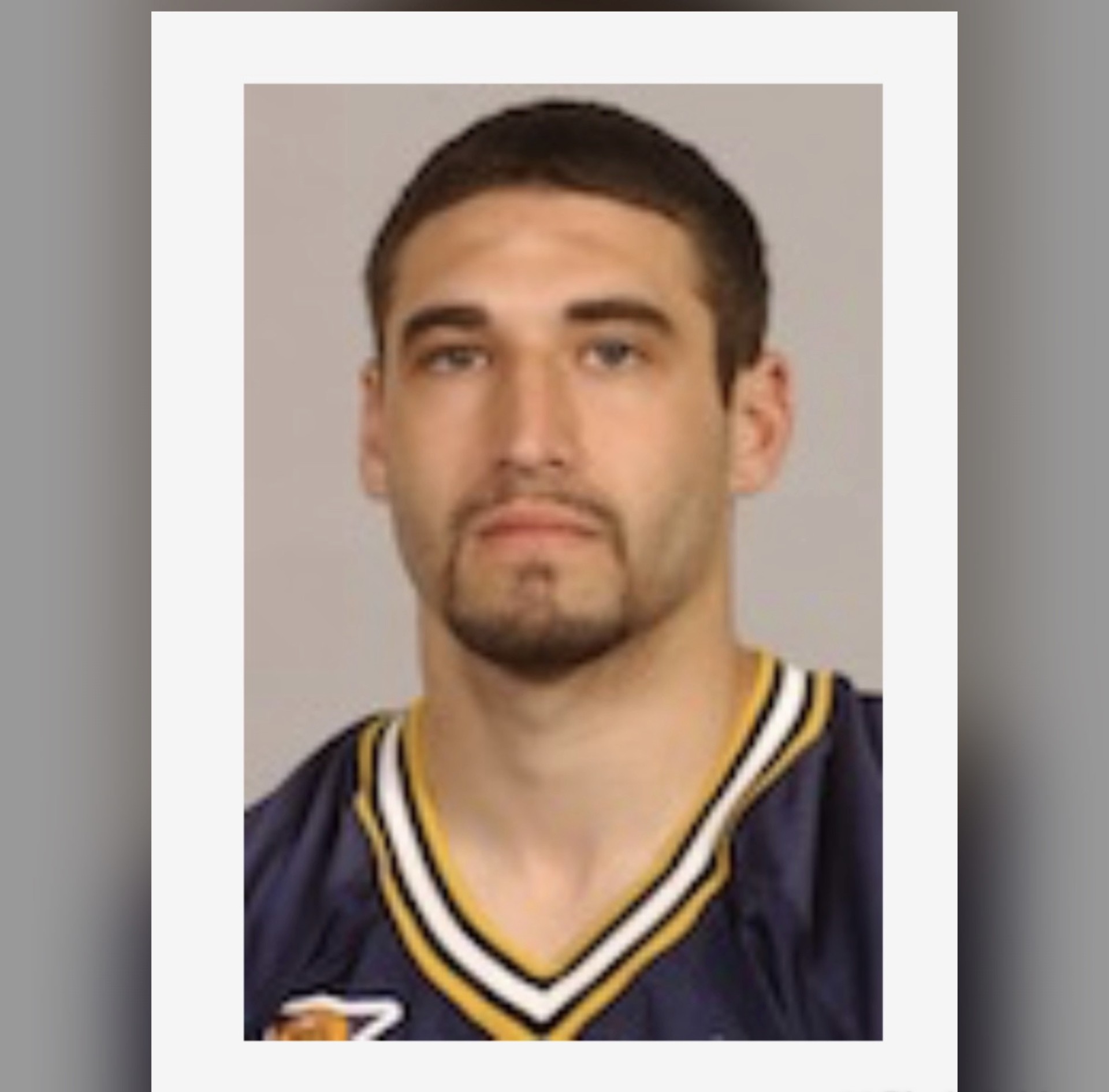
Most West Virginia fans remember A.J. Nastasi as the reliable wide receiver with dependable hands during the Don Nehlen and Rich Rodriguez eras.
What many don’t realize is that before he ever stepped foot in Morgantown, Nastasi was already one of the greatest high school basketball players Pennsylvania has ever produced.
In fact, he still owns the Pennsylvania boys’ all-time career scoring record with 3,833 points, a record that has stood for nearly three decades. That puts him ahead of names like Tom McMillen, Billy Owens, Gerry McNamara, Kobe Bryant and countless other legendary Pennsylvania players.
At Northern Bedford High School, Nastasi averaged more than 40 points per game as a senior while becoming one of the state’s most decorated multi-sport athletes. He earned first-team All-State honors in football, was Pennsylvania Small School Basketball Player of the Year, appeared in Sports Illustrated’s “Faces in the Crowd,” and was selected to the prestigious Big 33 Football Classic.
Despite his basketball accomplishments, Nastasi chose football. That decision brought him to West Virginia University.
He arrived during the final years of legendary coach Don Nehlen before becoming an important piece of Rich Rodriguez’s first Mountaineer teams. While Nehlen helped build the foundation of modern WVU football, Rodriguez introduced the fast-paced spread offense that changed college football. Nastasi experienced both eras firsthand.
His role continued to grow each season.
By his junior year under Rodriguez, Nastasi emerged as West Virginia’s leading receiver, finishing with 42 receptions while also serving as the team’s trusted holder on special teams. Coaches consistently praised his route running, toughness, reliability and arguably the best hands on the roster.
His career is a reminder that greatness doesn’t always follow the path people expect.
The greatest scorer in Pennsylvania high school basketball history chose football instead—and became a valuable contributor for two of the most significant coaching eras in Mountaineer history.
That’s a story every WVU fan should know.
Q: Growing up, when did you realize football, not basketball, would be your future?
A: I just enjoyed football more than basketball and baseball. When I started to get recruited in high school, I had more offers for football. That swayed my decision to play college football.
Q: Looking back, what did it mean to finish your high school basketball career as Pennsylvania’s all-time leading scorer?
A: Finishing my high school career as the all-time scoring leader in Pennsylvania means everything. To be at the top of any sports stat is an incredible accomplishment.
Q: You averaged over 40 points per game as a senior. Did you ever seriously consider playing college basketball instead of football?
A: I did consider playing basketball in college, however I got more interest from Division 1 football programs. Also, my brother Joe was playing football at Penn State at the time, and the football atmosphere was enticing.
Q: What made West Virginia feel like the right place during the recruiting process?
A: WVU felt right because it was such an inclusive environment. WVU is the professional team of the state. Fans are very loyal and passionate about their football team.
Q: You experienced both the Don Nehlen and Rich Rodriguez eras. What were the biggest differences between the two coaches and their programs?
A: Coach Nehlan was much more laid back, whereas Coach Rod came in as a young coach who was very intense in all phases of the program. He definitely brought in a hardnosed mentality. Coach Nehlen was a Hall of Fame Coach. He was honest, well-respected, and a winner. Even to this day he has cared for his players.
Q: Rich Rodriguez’s offense changed college football. What was it like learning and playing in that system during its early years?
A: The system Coach Rod brought in was new and difficult to learn at first, however it was wide open for receivers to catch a lot of balls and very rewarding.
Q: Which game or moment at WVU stands out the most when you look back on your career?
A: Catching a touchdown at Notre Dame my junior year. Brad Lewis was the quarterback that season.
Q: You were known for having some of the best hands on the team. Was that something you always took pride in?
A: Yes, I took a lot of pride in having great hands. When Coach Rod came, I also became the holder for field goals and extra points which kept me on the field more.
Q: How much did your basketball background help your football career, especially as a receiver?
A: Basketball helped tremendously. Being a multisport athlete, a lot of the skills carry over. Speed, quickness, agility, hand/eye coordination all helped with becoming a better football player.
Q: You played with a lot of talented teammates. Who are some players that don’t always get enough credit from Mountaineer fans?
A: Offensive lineman never get enough credit for the work that they do upfront. If it wasn’t for them, the offense doesn’t produce. I also feel that kickers don’t get the recognition that they deserve.
Q: What made the locker rooms during that era so special?
A: The locker room at West Virginia was a brotherhood. We were a family and went through the ups and downs of football together. Lifelong memories and friends were made in the locker room.
Q: Looking back, is there one game you wish you could replay?
A: Looking back I wish I could replay my senior year. I was sidelined with an ankle injury for 8 games. It was hard to stand on the sideline and watch. I wanted to be on the field with my teammates.
Q: You were also an Academic All-Big East selection. How important was succeeding in the classroom while competing at the highest level?
A: I always feel that discipline crosses over from the field/court to the classroom. Being a hard worker was instilled in me as a kid. My dad was my high school football coach and a teacher. I don’t think you ever regret giving your best in everything you do.
Q: What does being part of the WVU Brotherhood mean to you today?
A: Still having a strong connection to the football program at WVU means everything to me. The saying, “Once a Mountaineer, always a Mountaineer” rings true to this day. The adrenaline still pumps every game day for the alumni.
Q: Finally, what message would you give today’s Mountaineer football players about representing WVU?
A: I would tell them to soak it all in and enjoy. They should play hard when they are on the field representing the program. WVU football was some of the best years of my life and I wish the same for them