
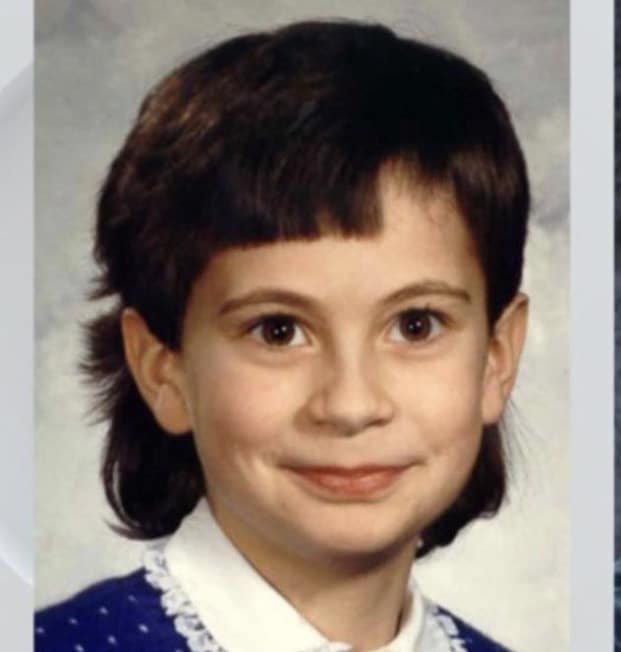
On February 22, 1985, 8-year-old Cherrie Mahan stepped off her school bus in rural Butler County and began the short walk home.
She never arrived.
For more than four decades, investigators, journalists, and armchair detectives have tried to answer the same question: Who took Cherrie Mahan?
But perhaps there is another question worth asking. Why Cherrie? It’s a question that doesn’t get discussed enough. Was Cherrie specifically targeted? Or was she simply in the wrong place at the wrong time?
Most discussions surrounding the case focus on the mysterious van, potential suspects, and missed leads. Yet one of the most important questions remains unanswered. What made Cherrie the victim? If someone specifically targeted her, then the crime likely involved planning, surveillance, and a particular reason for choosing her.
But if she wasn’t targeted, the implications are even more unsettling. Because that would mean almost any child could have become the victim.
Think about that for a moment. If Cherrie had stayed after school. If she had ridden home with a friend. If she had been sick that day. If she had missed the bus.
Would someone else have disappeared instead? We’ll probably never know. And that’s what makes the possibility so chilling.
When people think about child abductions, they often want a reason. A connection. A motive. Something that explains why a particular child was chosen.
But what if there wasn’t one? What if the person responsible wasn’t looking for Cherrie Mahan specifically? What if they were simply looking for an opportunity?
That possibility transforms the case from a personal tragedy into something even more frightening. It means the crime may not have been about one child. It may have been about whichever child happened to cross paths with the wrong person at the wrong moment.
Of course, there is no evidence proving that happened. There is also no evidence proving it didn’t. That’s the challenge with a case that remains unsolved after more than 40 years. The unanswered questions often become just as important as the known facts.
What we do know is that a little girl disappeared. A family never got answers. A community never stopped wondering. And Pennsylvania never forgot.
Maybe someday investigators will identify the person responsible. Maybe the truth is still sitting with someone who has remained silent all these years.
Until then, one haunting question continues to linger: Was Cherrie Mahan the intended victim? Or was she simply the child who happened to be there that day?
It’s a disturbing thought.
But sometimes the questions that make us the most uncomfortable are the ones worth asking.