
In a time when everything seems divided into teams, tribes, and political camps, Pittsburgh’s own Lenny McAllister is making a different argument.
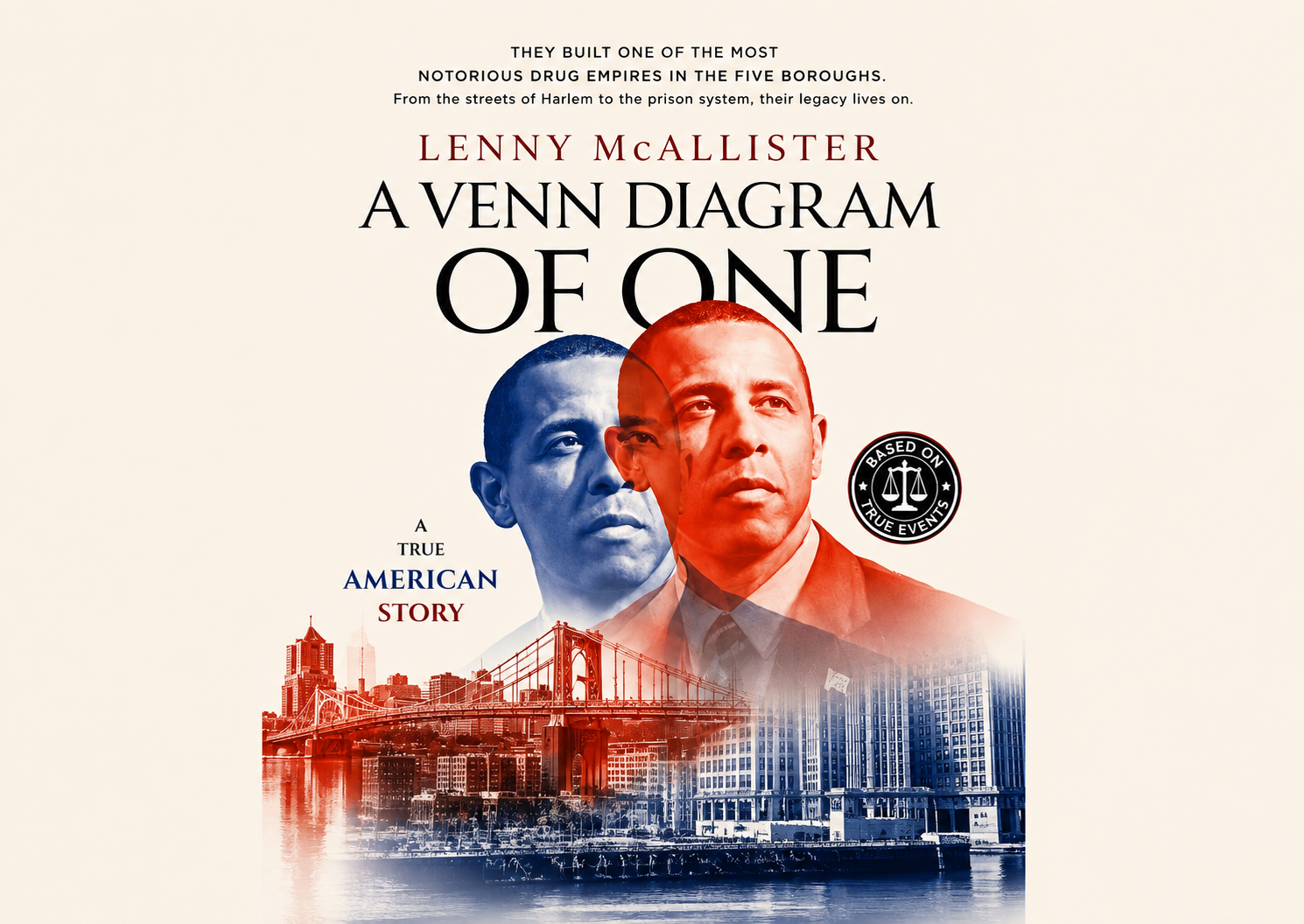
His new book, A Venn Diagram of One: An American Story, scheduled for release on August 11, is not simply a political book. It appears to be a deeply personal story about identity, leadership, faith, resilience, and what happens when a person refuses to fit neatly into the boxes society tries to create.
For those familiar with McAllister, that theme should come as no surprise. Over the years, he has built a career as a political analyst, radio host, commentator, educator, and public speaker. Whether appearing on national television, writing opinion pieces, or hosting shows on Pittsburgh’s KDKA Radio, McAllister has often found himself occupying a space between political and cultural extremes rather than fully embracing either side.
The title itself, A Venn Diagram of One, captures that idea.
A Venn diagram is traditionally used to show where different groups overlap. McAllister’s message appears to be that many Americans spend too much time focusing on what separates them and not enough time recognizing what connects them.
More Than Politics
Based on the book’s description and the excerpts available, McAllister’s story goes far beyond politics.
The book explores personal challenges, including overcoming domestic violence, surviving a near-fatal shooting, navigating professional setbacks, and building what he calls a “second act.” Rather than presenting himself as a victim, McAllister appears to use those experiences as lessons about perseverance, purpose, and personal growth.
One of the central themes seems to be the idea that difficult moments can become opportunities for reflection and transformation. In a world where people are often encouraged to choose sides, McAllister argues for something different: thinking critically, acting intentionally, and finding common ground without sacrificing personal convictions.
Praise From Different Voices
What makes the book particularly interesting is the diverse group of people supporting it.
The forewords come from Michael Steele, the former chairman of the Republican National Committee, and political scientist Jason Johnson. Both men come from different backgrounds and perspectives, yet each describes McAllister as someone willing to challenge conventional thinking and engage people across ideological lines.
That alone reinforces one of the book’s major themes: meaningful conversations can still happen between people who do not agree on everything. In today’s political climate, that may be one of the most important messages a public figure can deliver.
A Pittsburgh Story With National Relevance
Although McAllister’s story reaches national issues, there is also something distinctly Pittsburgh about it.
For decades, Pittsburgh has been a city where different communities, industries, cultures, and viewpoints have intersected. McAllister’s career reflects much of that reality. He has spent years moving between media, public policy, education, business, and community engagement while refusing to be defined by a single label.
Whether readers ultimately agree with every position he takes is almost beside the point.
The larger question McAllister appears to be asking is one many Americans are struggling with today: Can we disagree without hating each other?
Final Thoughts
At a time when outrage often generates more attention than understanding, A Venn Diagram of One seems positioned as a call for reflection rather than reaction.
The book challenges readers to think beyond party lines, social media algorithms, and ideological echo chambers. It asks people to consider the possibility that identity is more complex than politics and that leadership begins with character rather than labels.
Whether you’re a political junkie, a student of leadership, or simply someone interested in personal growth and second chances, Lenny McAllister’s latest work appears to offer a perspective that is becoming increasingly rare in modern America.
And perhaps that’s exactly why people should read it.