
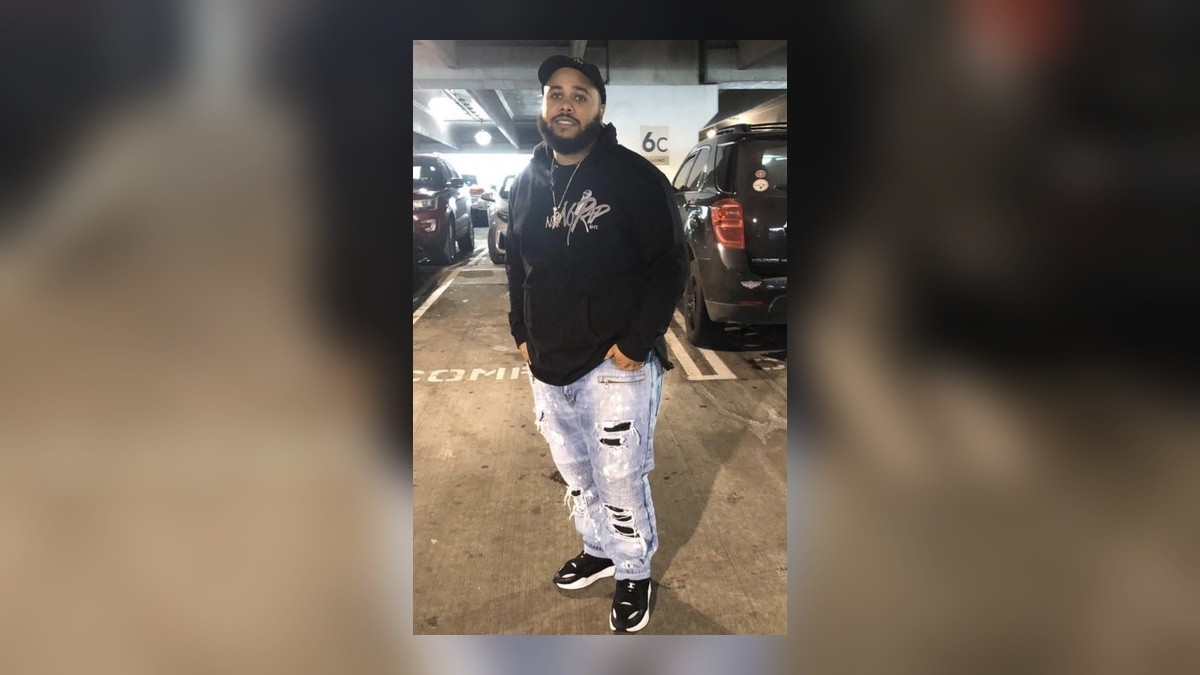
Writing a book requires a different level of vulnerability. For Tommy Drake, No Rap: Book of Emotions Part 1 became an opportunity to step away from everyday conversations and express his thoughts, emotions, experiences, and personal growth through poetry.
The project took nearly two years to complete and serves as a reflection of lessons learned, challenges faced, relationships navigated, and moments of self-discovery. Throughout the book, Drake explores topics ranging from love and heartbreak to accountability, pain, healing, and maturity.
What makes the book unique is its honesty. Rather than hiding behind a character or persona, Drake allows readers to see different chapters of his life through poems that were inspired by real emotions and real experiences.
I caught up with Tommy Drake to discuss the inspiration behind the book, what he learned during the writing process, and why expressing emotions openly remains important in today’s world.
What inspired you to write No Rap: Book of Emotions Part 1?
I thought it would be important to document how I was thinking and feeling at the time.
Why did you choose poetry instead of expressing these emotions through music?
Because I had stopped rapping, and I was already good at writing poetry.
You mentioned the book took nearly two years to write. What was the most challenging part of that process?
Staying in the moment. Life be lifing.
Was there a particular poem that was the hardest for you to write emotionally?
“A Nephew” because he died.
In the book description, you mention “Sleeping with the Enemy” and “My Darkest Moment.” What made you decide to be so vulnerable with readers?
I thought it was important for a person like myself to be open and honest and heal, hoping it would help others.
Did writing this book help you heal from certain experiences in your life?
Yes, it was very therapeutic.
Many men struggle to openly discuss emotions. Did you feel any hesitation about putting your feelings on paper for the world to see?
Not one bit. God put it on my heart, and I saw it through.
What message do you hope men take away from this book?
To be honest with yourself and how you feel.
What message do you hope women take away from this book?
Listen to hear and understand, not just to reply. Men deal with hurt differently.
Your goal was for people of all backgrounds to relate to the poems. Have any reader responses surprised you since the book was released?
None at all. Maybe one—somebody said I seemed narcissistic.
Looking back now, do you see the person who started writing the book differently than the person who finished it?
Way different. My vision is more clear. I love different, I understand different, I live different—everything different.
Was there a poem that ended up teaching you something about yourself while writing it?
Yeah, “A Lonely Heart.” I never knew my heart would be so broken from friends and a woman.
If someone has never read poetry before, why should they start with No Rap: Book of Emotions Part 1?
It’s raw, real, and very relatable.
What does the title “No Rap” represent to you?
No rap. It’s not rap. Before it mentions, “I ain’t got no rap for you suckas.”
In today’s social media world, where people often hide behind highlights and filters, how important is authentic self-expression?
Very important, and I mean very. People are living a lie.
Did writing poetry make you a better songwriter or artist?
It could have if I still made music.
What advice would you give someone who wants to write but is afraid to share their story?
Just do it and come from the heart.
Is there a Part 2 in the future, and if so, what can readers expect?
Yes. In Part 2, I’m not hurt. I’m talking more about my experiences dating and having a standard to carry.
When people finish reading this book, what’s the one feeling or thought you hope stays with them?
He’s a good poet and writer.
Closing: “This book was never just about poetry. It was about growth, accountability, healing, and understanding that emotions aren’t weaknesses—they’re part of being human.” – Tommy Drake