
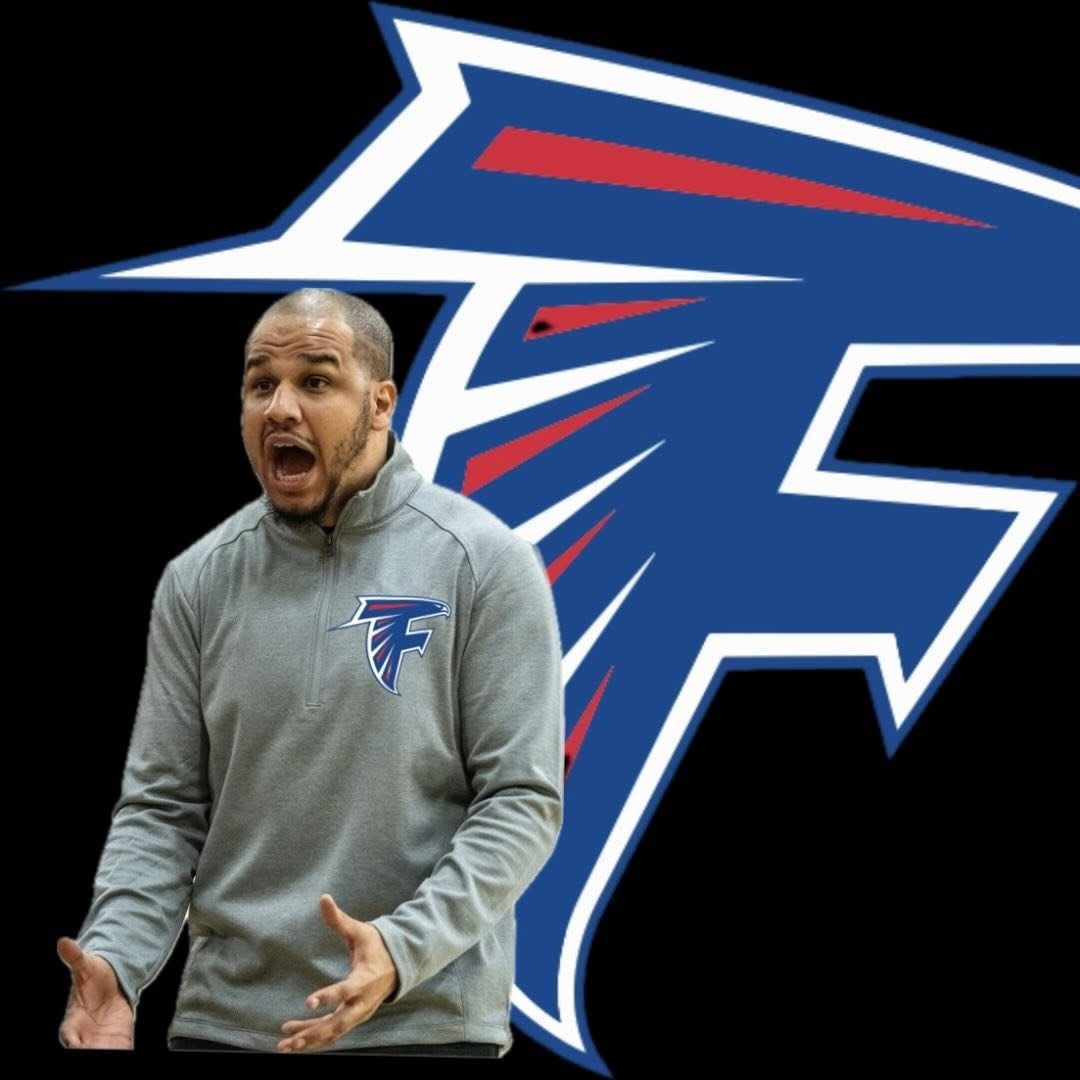
High school sports often celebrate the wins, championships, packed gyms, rankings, and the trophies. What people don’t always see are the challenges that happen behind the scenes. For Coach Damian Cornish, his time at Bishop Canevin ended before he had the opportunity to finish the season.
Years later, he still believes he never received a fair chance to complete the job he was hired to do. According to Cornish, expectations changed almost immediately after he accepted the position. He said the original coaching compensation package was altered before the season began, reducing both the coaching pool and performance incentives.
Despite the changes, Cornish says he remained committed to the players and even chose to take a minimal personal salary so more money could be distributed among his assistant coaches. “I don’t do this for the money,” Cornish said. “I do it for the kids.”
Throughout the season, Cornish said tensions began developing between the coaching staff, administration, and a small group of parents. Several incidents would eventually become part of the discussion surrounding his dismissal. One involved criticism from a parent during a game after Cornish substituted reserve players into a contest that was no longer competitive.
Another involved player entering a concession area after practice and helping themselves to food and drinks without permission. Cornish says he proposed handling the situation internally through team discipline and restitution, while school officials preferred stronger punishment.
Later in the season, a separate incident involving a thrown water bottle during a game resulted in a suspension. Cornish says he immediately apologized to players and parents and believed the matter had been resolved. Despite serving the suspension, he was later informed that his tenure at Bishop Canevin was over.
At the time of his dismissal, Cornish says the team remained undefeated in section play and was positioned to compete for a championship. “I never understood why I couldn’t at least finish the season,” he said. Cornish believes some of the concerns surrounding his departure were influenced by parent complaints and disagreements over coaching decisions.
He also questions whether other factors may have contributed to the school’s decision. School officials have not publicly addressed many of the claims raised by Cornish, and the school may have a different perspective regarding the events that occurred during the season.
What remains clear is that Cornish continues to feel the story has never been fully told. For him, the issue isn’t simply about a coaching position. It’s about fairness, it’s about accountability, and it’s about a season that ended before he had the chance to see where it could go.
Years later, Cornish says he still believes the players deserved the opportunity to finish the journey they started together. Whether people agree or disagree with his perspective, one thing is certain: His side of the story is one that many in the local basketball community have never heard.
What initially attracted you to the Bishop Canevin coaching position?
I had actually applied for the position the year before and lost out on it. While I knew there was challenges with the Propel-Braddock Hills job, there were some issues that were too hard to overcome that made me want to look elsewhere. I also wanted to challenge myself and compete against better competition which I knew Bishop Canevin would have been able to compete with.
Looking back, when did you first feel things were not headed in the right direction?
When the concession stand incident happened, it started to concern me then because it was clear that the administration did not know the challenges some of the black youth faced. I remember commenting about there being no black teachers at the school and how if they’re targeting bringing in more black kids, that they needed teachers that looked like them to mentor and look up to and I was told that wasn’t my place or concern.
How frustrating was it to have your season end before you could finish what you started?
It was very frustrating because you get attached to kids spending so much time with them, and you grind so much through a grueling part of the season, and while we are catching our stride and rolling through the section and getting prepared for the WPIAL playoffs, to have this happen hurt. To also have my amazing staff let go as well was tough because they worked hard and the kids loved them as well.
What is the biggest misconception people have about what happened?
That something egregious or bad happened that forced their hand to have to let me go. Growing up in western PA I can’t ever recall a coach being fired in the middle of the season for something that wasn’t outrageous. It created a perception about me that I had done something terrible and perception is reality in some people’s eyes.
Do you feel parent involvement in high school sports has changed over the years?
It definitely has. Some parents feel entitled to access and having their opinions heard but rarely want to actually help coach where those two things are a part of the job. There are some parents that try to live their shortcomings as an athlete in high school through their children and they overstep their boundaries a lot.
How difficult is it to coach when outside voices are constantly questioning decisions?
It’s a part of the job unfortunately and there are always going to be people that question what you’re doing, even when you’re winning. I can recall losing a game by double digits, then we started to press the team, we end up going up by 15+ points, then we have 2 possessions where the press was broken for a score and parents in the stand are questioning why we are pressing. That was evidence enough for me that you can’t satisfy everyone and that most people in the stands are there for a reason, and actual coaching isn’t one of them.
What lessons did you learn from that experience?
I learned that you have to stay true to yourself and what you believe in, and that if your focus is on the kids first, then things will fall in to place how they should. If a place wants to change you too much, then maybe it’s not the place for you. I’m all for learning and growing and adapting, as those should always be happening, not just in coaching but in life period. Everything happens for a reason, and sometimes there are things that can’t be explained as to why they happen and you can’t get too caught up in trying to figure out the why.
Looking back now, is there anything you would have handled differently?
I wouldn’t have thrown the water bottle after a timeout; I allowed a temporary moment of frustration get the best of me. I wear my heart on my sleeve when coaching and I tell my kids to keep calm even when things aren’t going their way or calls are missed, etc., so in that instance I needed to take my own advice. It gave them a reason or evidence to try to justify them firing me, even though I do not feel like they had valid reason to do so.
What impact did the dismissal have on you personally?
Personally, it made me contemplate if I wanted to coach again. Sports have had a major impact in my life and coaching has been my way of giving back to the coaches that had a great impact on my life. I didn’t want my last memory of coaching being one that I was fired and leaving the coaching world under someone else’s terms and having a number of former players contact me to tell me some of the positive impact I’ve had in their life ultimately led me to rethink walking away.
How did your players respond when they learned you were no longer the coach?
I had a few that contacted me saying they didn’t understand and that they were sorry and sad that I was being let go. For the seniors, it was going to be their 4th head coach in 4 years so I’m sure that weighed differently with them and was difficult to deal with mentally.
Do you believe winning sometimes changes expectations and creates pressure from outside sources?
It does to an extent. When you have a winning culture, more people want to be a part of the culture but don’t necessarily want to do what it takes to continue to build that culture. There will be some parents that have influence in a community or within a school and they will overstep their boundaries when things don’t go their way. Usually when you’re winning, those outside pressures aren’t as loud.
What advice would you give young coaches facing criticism?
Criticism is a part of being a coach and you can’t allow it to negatively impact how you are coaching. When you love what you are doing, you will be tested and you have to take those things as opportunities to improve. You don’t have to completely overhaul how it is that you coach, but every once in a while, you can find an opportunity to make changes that will positively impact your team. Jesus Christ was criticized and he was perfect, so if he faced scrutiny then you most certainly will.
What motivates you to continue coaching after everything that happened?
Having a positive impact on kids through sports has been and will always be my motivation. Watching kids grow from teenagers to young men and knowing that I had even a 1% part in that brings me joy. When I hear from former players years after they graduated high school and laughing about some funny moments, we shared while I was coaching them or just them giving me life updates are the successes I look forward to.
If you could sit down with Bishop Canevin leadership today, what would you want them to know?
That stability is an important part to building a winning culture. When you are targeting young black athletes that come from the inner city, sometimes there are challenges they face when they go home that they should not have to deal with at school, and stability is one of them. Also, if you do not have black adults as a part of the school as either a teacher, counselor, admin and any other position other than coaching a sport, these kids won’t have anyone they can positively look up to or impact them outside of sports and that is not a positive experience for them.
What do you hope your legacy as a coach will be?
One of positive impact and learning how to battle through adversity. I talk to my teams a lot about battling through adversity and how life will challenge them and that adversity will come in different ways and it is a skill that can be developed over time. When players think of me, I want them to think of someone that pushed them hard because I saw a potential in them and that they can achieve great things when they challenge themselves.