
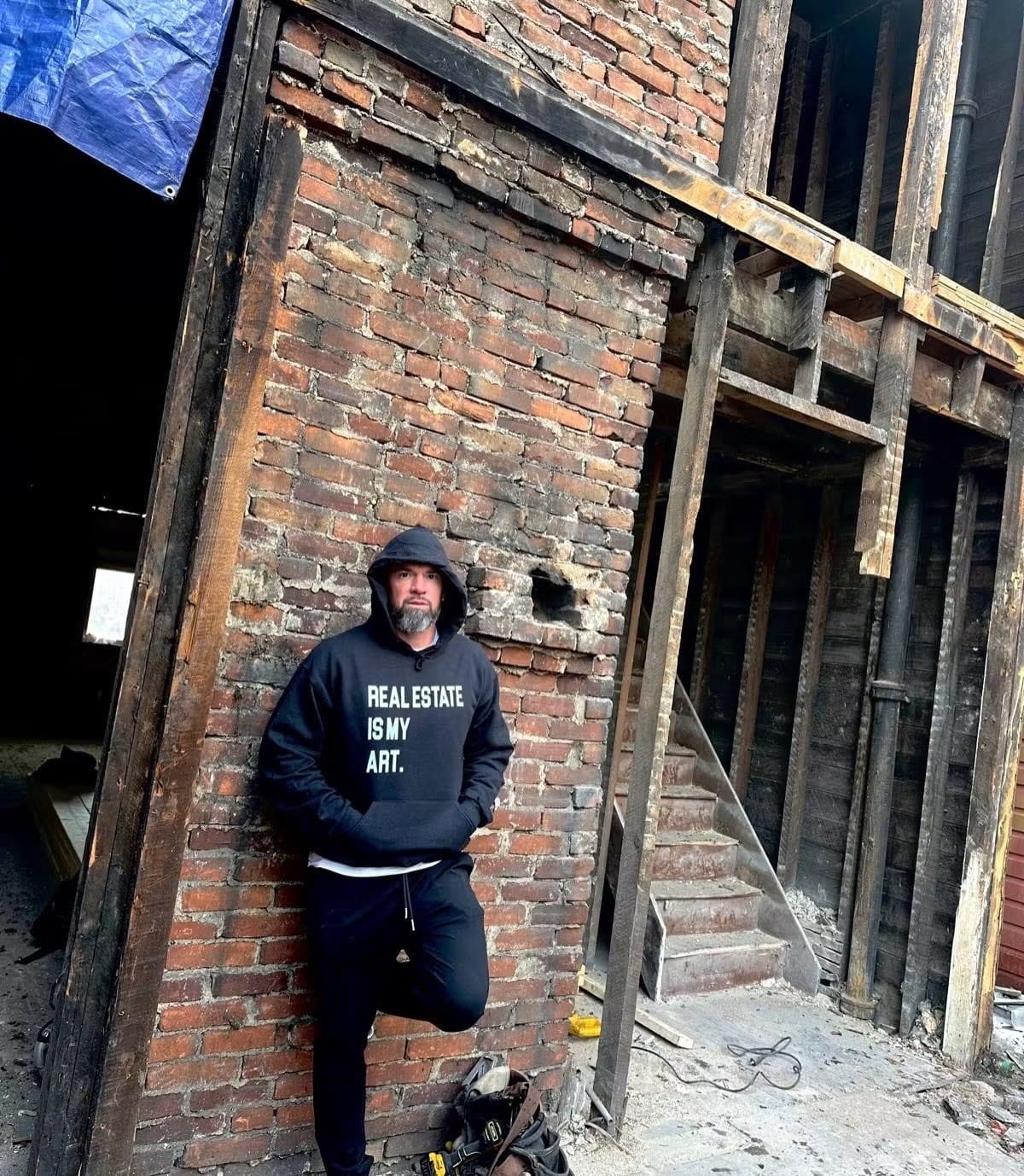
Real estate has become one of the most talked-about ways to build wealth. Spend a few minutes on social media, and you’ll see investors flipping houses for six-figure profits, landlords collecting rent every month, and influencers claiming anyone can become financially free by buying property.
But that’s only part of the story.
Behind every successful investment are months of planning, unexpected expenses, difficult decisions, market changes, and risks that many people never see. Owning rental properties isn’t as simple as collecting a check every month. Flipping a house isn’t just about putting down new flooring and fresh paint. Every property presents its own challenges, from financing and permits to contractor delays, maintenance costs, vacancies, and finding reliable tenants.
That doesn’t mean real estate isn’t a great investment.
For many people, it has created lasting financial security and generational wealth. But success usually comes from education, patience, discipline, and making smart decisions over time, not chasing shortcuts.
There are also plenty of misconceptions. Some believe you need hundreds of thousands of dollars to get started. Others think every house can be turned into a profitable flip. Some assume the market always goes up or that being a landlord is passive income.
The reality is far more complicated.
To separate fact from fiction, I sat down once again with local real estate investor Blose. Rather than focusing on his personal journey, this conversation explores the lessons he’s learned, the mistakes he sees others make, and the advice he believes every current and future investor should hear. Whether you’re thinking about buying your first rental property, flipping a home, or simply trying to better understand today’s housing market, this discussion offers practical insight from someone who’s experienced both the rewards and the challenges of real estate investing.
Q: What is the biggest misconception people have about investing in real estate?
A: The biggest misconception is that people think they’re going to get rich overnight. They see someone make six figures on one deal and assume every deal works out like that. Real estate is a business, and like any business, it takes years to learn, years to build the right team, and years to develop the systems that consistently make money. There are a lot of moving parts—contractors, lenders, permits, inspections, legal issues—and if you skip a step, it can cost you everything. Success in real estate isn’t about one lucky deal; it’s about building experience and making good decisions over time.
Q: Social media makes flipping houses look easy. What’s the reality that people don’t see?
A: I actually think this started before social media with all the HGTV shows. For the last 15 or 20 years, people have been watching house flipping shows that make everything look simple. Then social media took that and amplified it. What people don’t see are the holding costs, interest payments, permit fees, legal expenses, contractor problems, delays, and everything else that eats into your profit. They also don’t realize that experienced investors often get materials and labor at prices that a beginner never could. Just like social media in general, people only post the highlights. They rarely show the stressful months in between.
Q: If someone had $25,000–$50,000 to invest today, would you recommend flipping a house, buying a rental, or doing something else?
A: If you already have experience, good lending relationships, and can find great wholesale opportunities, you may be able to make that amount work. But for someone who’s brand new, $25,000 to $50,000 doesn’t go nearly as far as it used to. Personally, I’d rather see someone partner with an experienced investor. You may not make the biggest return on your first investment, but you’ll gain valuable knowledge while hopefully making a profit. That education is worth a lot more than trying to do everything yourself and risking losing your entire investment because you didn’t know what you didn’t know.
Q: What’s the biggest financial mistake you’ve seen new investors make?
A: Most new investors jump into the business because of what they’ve seen on TV or Instagram. They get excited, buy the first property they think is a good deal, and let emotion drive the decision instead of the numbers. In reality, this business takes patience. You’ve got to analyze deal after deal before finding one that truly makes sense. A common saying is that for every 100 deals you seriously analyze, you might only make an offer on one—and that doesn’t even mean you’ll get it. People underestimate how much work goes into finding a profitable deal and think they can simply throw money at real estate. It doesn’t work that way.
Q: How important are location and neighborhood compared to getting a property at a good price?
A: Location is extremely important, but the numbers are what ultimately determine whether it’s a good investment. You can find a great project in a weaker neighborhood, and you can also overpay for a property in a great neighborhood. The key is removing emotion and running the numbers honestly. I’ll also admit that I’m naturally more creative than analytical, so I know how important it is to have strong financial discipline. Personally, I’d rather buy a rundown property in a good area and improve it than buy a beautiful property in a bad area. Better neighborhoods tend to appreciate more over time, and you’ll have a much easier time when it’s time to refinance or sell.
Q: What separates a successful real estate investor from someone who loses money?
A: The biggest difference is the ability to separate emotion from business decisions. Investors lose money when they convince themselves a deal is worth more than it is or underestimate renovation costs, holding costs, or timelines. I’m honest enough to admit that numbers aren’t my greatest strength, but my creativity has helped me consistently create homes that sell above what many agents initially expect. That balance has worked for me, but I wouldn’t recommend relying on creativity alone. If you want to be consistently successful, you have to let the numbers, not your emotions, make the final decision.
Q: How do you know when to walk away from a deal, even if you’ve already invested time into it?
A: You walk away when the deal no longer makes financial sense. Time invested shouldn’t keep you from making the right decision. If you’ve already invested money, every situation is different. Sometimes it makes sense to sell and salvage what you can instead of throwing more money into a project that no longer works. I’ve also seen people get emotionally attached during auctions and continue bidding simply because they don’t want to lose. I’ve been there myself, but I’ve learned that discipline is more valuable than winning one deal. There will always be another opportunity.
Q: Have higher interest rates changed the way you approach buying properties?
A: Not really. Interest rates go up and down, and every market creates different opportunities. Higher rates usually mean less competition because many buyers step back and wait. That can create better buying opportunities for investors who are prepared. When rates fall, everyone rushes back into the market and bidding wars become more common. You have to adjust your strategy, but higher rates alone have never stopped me from buying a good deal.
Q: What renovation projects usually provide the best return on investment?
A: That depends on where someone is in their investing journey. For me today, new construction offers the greatest return because I’ve built the experience, relationships, and credibility to take on those larger projects. But that’s not where I would recommend someone start. For a new investor, simple renovations like paint, flooring, and cosmetic updates are usually a much better choice. Get in, improve the property, get out, and build confidence before taking on major structural renovations. Every investor eventually has to take on bigger challenges, but you don’t need to do that on your first project.
Q: What’s one renovation people spend too much money on that rarely increases a home’s value?
A: That answer really depends on the market. What adds value in one city may not add much value somewhere else. For example, in Pennsylvania, putting in a swimming pool usually doesn’t add enough value to justify the cost. In Arizona, it’s almost the opposite. Buyers often expect a pool, so not having one can actually hurt your resale value. That’s why investors need to understand the local market instead of assuming every renovation adds value everywhere.
Q: Is it better to own one expensive rental or several more affordable properties?
A: I think that depends on whether you’re talking about single-family homes or multifamily properties. Single-family homes give you flexibility because if you own ten of them and need to free up cash, you can sell one at a time without affecting the rest of your portfolio. They also allow you to create comparable sales that can help you determine how to renovate and price your other properties. On the other hand, multifamily properties operate more like businesses. Instead of maintaining ten separate roofs, furnaces, and HVAC systems, you may only have one of each to maintain. Their value is also driven largely by the income they produce rather than just comparable home sales. If you can increase rents and improve operations, you can significantly increase the property’s value. Both strategies have advantages, so it really depends on your goals, your market, and your investment style.
Q: How do you handle difficult tenants while still protecting your investment?
A: For years, I really didn’t have many problems with tenants until I had one extremely difficult situation. It reminded me how important it is to know your local landlord-tenant laws before you invest. In some markets, the eviction process can take a very long time, and delays can become expensive for landlords. That’s one reason many investors carefully consider the legal environment before buying rental properties. The biggest lesson I learned is to screen tenants thoroughly, document everything, follow the law, and treat the property like a business. A great tenant can make owning rentals easy, while one bad tenant can consume an incredible amount of time and money.
Q: What legal or financial issues should every first-time landlord understand before renting out a property?
A: Most people calculate their mortgage payment and expected rent, but they forget about everything else. You have insurance, property taxes, maintenance, repairs, vacancy periods, turnover costs, and unexpected expenses. Those smaller costs add up quickly and can completely change the profitability of a property. Before buying a rental, you need to understand every expense involved, not just the obvious ones. If you don’t accurately account for those costs, what looks like a great investment on paper can quickly become a disappointing one.
Q: What’s the biggest lesson you’ve learned from a deal that didn’t go as planned?
A: One of the biggest lessons I’ve learned is knowing when to stop trying to create the perfect project. I always want each property to be better than the last and become the new standard for the neighborhood. That mindset has helped me produce unique projects, but it’s also pushed me over budget at times. I’ve learned that great design still has to make financial sense. Sometimes the best investment decision is knowing where to draw the line rather than adding one more upgrade.
Q: If someone wants to build generational wealth, why is real estate still one of the best vehicles?
A: Real estate gives you several wealth-building advantages that work together. Over long periods, quality real estate has historically appreciated in value while also producing rental income. Investors may also benefit from tax deductions, depreciation, and the ability to refinance as equity grows. When structured properly as part of a long-term estate plan, real estate can also make it easier to transfer wealth to future generations. That’s why so many wealthy families continue to own real estate for decades rather than simply buying and selling it.
Q: What trends are you seeing in today’s housing market that people should pay attention to?
A: I honestly don’t spend much time chasing trends because trends constantly change. Whether it’s design styles, investment strategies, or whatever people are promoting online, it all comes and goes. One year everyone says to buy Section 8 rentals, then it’s single-family homes, then multifamily, then senior housing. The same thing happens with design trends. My advice is to understand what’s happening in the market, but don’t build your entire business around what’s popular today. You don’t want to be the first person into every trend because that’s often where the biggest mistakes are made, but you also don’t want to be the last. Stay informed, stay flexible, and focus on strategies that have proven themselves over time.
Q: How important is patience in real estate investing?
A: Patience is one of the most valuable skills an investor can have. It’s easy to become impatient and buy a deal simply because you want to be doing something. Then, a week later, the deal you really wanted comes along and you no longer have the capital to pursue it. Sometimes the most profitable decision you can make is waiting for the right opportunity instead of forcing the wrong one.
Q: What’s one piece of advice from social media “real estate gurus” that you completely disagree with?
A: The biggest piece of advice I disagree with is the idea that all you need is someone’s expensive course to become a successful real estate investor. I’m a big believer in learning from people who have actually done what you’re trying to do, and I absolutely think mentors are worth paying for. But there’s a big difference between paying for real guidance and spending $20,000 or $50,000 on a course that promises you’ll be financially free in a few months. I’ve watched too many people buy those programs and end up no further ahead because they never learned how to actually analyze deals, negotiate, or solve real problems. Real estate isn’t learned from watching videos, it’s learned by doing deals, making mistakes, asking questions, and gaining experience. A mentor can shorten your learning curve, but no course can replace putting in the work. That’s the biggest misconception I see being sold online today.
Q: If you had to start all over today with the knowledge you have now, what would you do differently?
A: I don’t think I’d completely change where I started because everyone has to build confidence and experience one step at a time. What I would change is how quickly I learned creative financing and how to structure deals. Early on, I thought you either had the money or you didn’t. I didn’t realize there were so many ways to structure transactions, partner with investors, or use different financing strategies to make deals happen. Knowing what I know today, I could scale much faster, not because I’d work harder, but because I’d understand how to use leverage and capital more effectively.
Q: Five years from now, where do you think the real estate market will be, and how should people prepare?
A: Predicting the market five years from now is impossible, but I do think affordability will continue to be one of the biggest challenges. In many parts of the country, home prices have risen much faster than incomes, making it harder for first-time buyers to enter the market. I also think large institutional investors will continue to play a meaningful role in certain housing markets. Rather than trying to predict every market movement, investors should focus on buying quality properties, maintaining healthy cash reserves, and building enough flexibility to adapt no matter what the market does.
Q: Five years from now, where do you think the real estate market will be, and how should people prepare?
A: Nobody can predict exactly where the market will be in five years, but I do think affordability is going to remain one of the biggest challenges in the United States. In my opinion, large institutional investors have been willing to pay aggressive prices for residential real estate for years, and I think that trend could continue. If more homes end up being held as long-term rental properties instead of being resold, it becomes even harder for everyday buyers to compete. Sometimes an investor gets offered far more than they ever expected for a property, and it’s tempting to sell. But not all money is good money. Once you sell that asset, it’s gone, and replacing it later may be much more expensive. That’s why I believe people should think long-term instead of focusing only on today’s profit. I also think investors should begin looking at opportunities outside the United States. There are attractive markets around the world, but it’s important to do thorough legal and financial due diligence because every country has different laws, different risks, and different ways of doing business.