
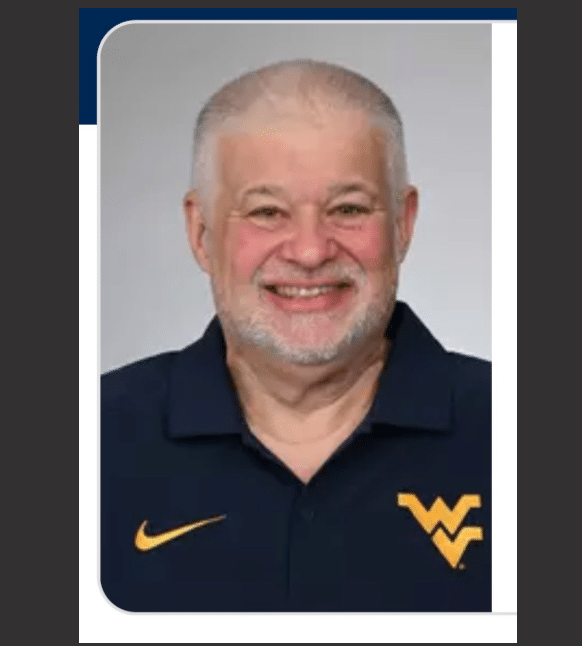
Some people are built for certain jobs because of their resume. Others are built for them because of their relationships, their history, and the way they treat people.
Kevin Johnston checks every box.
In February 2025, Johnston was named the Director of the WVU Varsity Club, a role focused on keeping former Mountaineer student-athletes connected to West Virginia University, its coaches, its teams, and each other. To some people, that may have just looked like another athletic department hire. But to those of us who were around WVU during his time in the Coliseum, it made perfect sense.
Kevin was a great person when I played basketball at West Virginia. He was around the program daily, he understood the athletes, and he treated people the right way. Those things matter.
Johnston began his professional career with WVU Athletics in 1997 as an assistant equipment manager in the Coliseum. He worked with Olympic sports, men’s and women’s basketball, coaches, staff, and student-athletes until leaving the department in 2009. After that, he built a successful career in the private sector, spending time with Colonial Life and Combined Insurance while earning 16 awards and accomplishments in the insurance industry.
Now, he is back where he belongs.
The Varsity Club is about more than membership. It is about connection. It is about making former athletes feel like they still matter after the jersey comes off. It is about reminding people that once you are part of WVU, you are always part of WVU.
That is why Kevin Johnston is the perfect man for this job. He understands the history. He understands the people. And most importantly, he understands that relationships are what keep a brotherhood alive.
Q: What does it mean to be back at WVU in this role?
A: Coming back to WVU in this capacity has been a bit of a dream. Growing up a Mountaineer fan, having this role is the ultimate for me. To get to know some of my childhood heroes is an opportunity that not many people get in their lives. People like Darryl Talley, Darryl Prue, Herbie Brooks, Brian Jozwiak, etc. were all players at WVU when I was in high school, so it’s an honor for me to get to know them personally and help mold their experiences when they come back to campus now.
Q: When you think back to your early years in the Coliseum, what memories stand out the most?
A: When I look back at my early years at the Coliseum, most of my memories are “off the court” related. They are more about my times in the equipment room, locker room, road trips with basketball and the life-long friendships that were built through good and bad.
Q: What was it like working around WVU basketball during that era?
A: Working with WVU Basketball during that era was so different than it is now. As student manager and working in the equipment room, we got extremely close to the players. I think part of that was the way we travelled. We flew commercially then, so we had the long bus rides to Pittsburgh and back from road trips. We were at the mercy of the airlines then, so sometimes that meant extra nights in hotels and flights getting cancelled, so we spent so much time together. It was truly a blessing, when I look back now. Unforgettable moments. Plus, there was nothing like Big East Basketball in that era. I tell our current players all the time about the opponents that have played in the coliseum and they are in awe. Iverson, Carmelo, Ray Allen, Brunson, Okafor, Warrick, etc. Plus, coaches like Boeheim, Calhoun, Pitino, Carnesecca…it’s a never-ending list.
Q: How did your time around student-athletes shape the way you view this new position?
A: Working with the student athletes then was a major advantage for me in this role that I have now. It helped me understand the life they live that is unappreciated or misunderstood by those that haven’t lived it. Being a D-1 athlete is not for everyone, mentally. It’s hard to understand. I have the ultimate respect for them. Getting to know the players on a different level was so cool to me. I did not grow up in the most diverse community, so working with the teams helped me grow exponentially as a person.
Q: What did you learn during your years in the private sector that will help you lead the Varsity Club?
A: Working in the Private Sector really helped me as a person/leader when it comes to understanding delivering messages, organization and planning. Many of those years were spent as an independent contractor, so self-discipline was a must as well as my time-management routine. Later in my insurance industry years, I took on an Executive role that really helped with my communication and planning skills. Not every piece of news is positive, so I learned ow to deliver a message in a respectful manner regardless of the message. I was also part of the group that hosted our national sales leaders and organized their conferences, which turned out to be tremendous assets in this role.
Q: Why is it so important for former WVU athletes to stay connected to the university?
A: I feel like it’s important for our alums to stay in touch with WVU for many reasons. One of the main reasons is that they are responsible for where we are now. Each decade of athlete helped build the foundation of where we are today. When you play at WVU you are remembered forever whether you realize that or not. With zero professional sports in our state, you are the legends here and we need to make sure that message is conveyed. Also, I think it’s important for our current players to see success from our alums. It is important for them to see they can live out their professional dreams at WVU. Whether it is playing sports professionally or in another field, it’s always good to see successful alumni.
Q: What do you think WVU can do better when it comes to honoring former athletes?
A: I am hoping we are doing a decent job in honoring former players. WVU has a rich tradition, and we need to pay tribute to those that have contributed. For the second straight year, we will be honoring 3 former Bowl Champions as well as retiring Pat White’s #5. All are well-deserved, so I feel like we are in the right direction. We are also looking for ways to do this in other sports as well. We recently had the 25th Anniversary of our Rowing program and we are honoring 30 years of WVU Women’s Soccer this fall.
Q: What is your vision for the Varsity Club moving forward?
A: My vision for the Varsity Club going forward is basically, improved communication and growth. A large percentage of our membership is football, which I love and is understandable, just because of numbers, but a major goal of mine is to grow even more with the alumni of other sports at WVU. Paying members are now receiving a newsletter on a quarterly basis with recaps of events as well as announcements for upcoming events and member recognition. We invite any former WVU to go to WVUSports.com/VarsityClub for more information on how to stay connected.
Q: How do you want former athletes to feel when they reconnect with WVU?
A: When a former WVU student athlete reconnects with WVU, I want them to feel one thing and that is to feel like they are HOME again. I want them to feel like they belong here and appreciate their contribution to WVU Athletics. Everyone had a role, whether as a starter, practice player, manager, athletic trainer, they all had a hand in success and contributed their time and effort.
Q: What message would you give to any former Mountaineer who has felt disconnected from the program?
A: For any former player that has felt disconnected from WVU, I would ask them to reach out to me and have a conversation about why they feel that way and what I can do to help fix that. I feel like the culture here is different with the staff and coaches that we have. They all love having the alumni back and understanding the importance of them. I also give our administration a lot of credit for understanding the importance and hiring a position to do this exclusively.
Q: What makes the WVU brotherhood special?
A: The WVU Brotherhood is different, special. With WVU being the only Power 4 in our state with no major professional sports organizations in WV, creates a special bond and responsibility like no other place. What you represent here is not repeatable. Most former student athletes that didn’t spend all 4 years here claim WVU as their home and wish they had the opportunity to have had their entire careers here. There is nothing like it. I also think there is no place like Morgantown. It’s a true college town and the athletes create a bond because of that.
Q: What are you most excited about in this new chapter?
A: I am excited about this new chapter because of the passion that I have for it. It matters to me that the former players are included and enjoy Morgantown every time they get the opportunity to come back. I am looking forward to the growth and the relationships I get to create in this role. It is personal for me.